-
Tangki Kaca Yang Dilelehkan Ke Baja (596)
-
Tangki Baja Tidak Berlemak (434)
-
Tangki epoxy yang terikat dengan fusi (592)
-
Tangki Baja Galvanis (321)
-
Atap Dome Aluminium (1316)
-
Tangki penyimpanan air limbah (231)
-
tangki baja las (457)
-
Kapal Tekanan (295)
-
Pencernaan Anaerobik (201)
-
Tangki Air Industri (349)
-
Tangki baja berlapis kaca (180)
-
Tangki Baja Berbolt (390)
-
Tangki Penyimpanan Lumpur (115)
-
Tangki Penyimpanan Biogas (173)
-
Tangki Penyimpanan Leachate (133)
-
Tangki penyimpanan air pertanian (179)
-
Tangki Air Api (166)
-
Silos Gudang Gandum (146)
-
Proyek Biogas (425)
-
Proyek Pengolahan Air Limbah (788)
-
Atap Membran Ganda (223)


|
Tangki penyimpanan baja karbon untuk penyimpanan gas cair: Digunakan untuk wadah bertekanan, yang membutuhkan paduan suhu rendah khusus untuk gas kriogenik
| Tempat asal: | Cina |
| Nama merek: | CEC TANKS |
| Sertifikasi: | ISO 9001:2008, AWWA D103 , OSHA , BSCI |
| Nomor model: | W |
| Kuantitas min Order: | 1set |
| Harga: | $5000~$20000 one set |
| Kemasan rincian: | Poli-busa PE di antara masing-masing dua pelat baja; palet kayu dan kayu |
| Waktu pengiriman: | 10-30 hari setelah setoran diterima |
| Syarat-syarat pembayaran: | L/C, T/T |
| Menyediakan kemampuan: | 60 set per bulan |
|
Informasi detil |
|||
| Tempat asal | Cina | Nama merek | CEC TANKS |
|---|---|---|---|
| Sertifikasi | ISO 9001:2008, AWWA D103 , OSHA , BSCI | Nomor model | W |
| Ketahanan korosi: | Cocok untuk air limbah air garam, air laut, minyak mentah sulfur tinggi, garam rubah, senyawa organi | Elastis: | Sama seperti lembaran baja |
| Warna badan tangki: | Desain yang disesuaikan | Ketebalan lapisan: | Disesuaikan |
| Dasar: | Konkret | Kelas baja: | Baja Tahan Karat |
| Menyoroti: | Tangki penyimpanan gas cair baja karbon,Tangki baja las bertekanan,wadah kriogenik paduan suhu rendah |
||
Deskripsi Produk
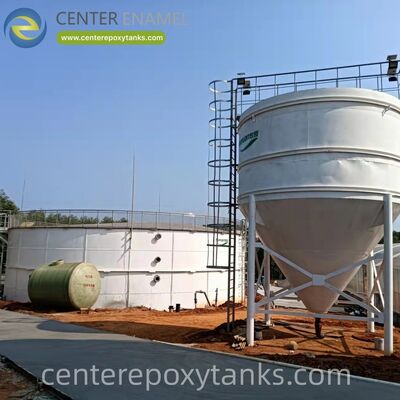
Tangki penyimpanan baja karbon untuk penyimpanan gas cair: Digunakan untuk wadah bertekanan, yang membutuhkan paduan suhu rendah khusus untuk gas kriogenik
Penyimpanan Gas Cairanmencakup berbagai macam produk, mulai dari gas tekanan sedang seperti propana dan butana hingga gas kriogenik seperti Gas Alam Cairan (LNG) dan oksigen cair.Semua produk ini disimpan di bawah tekanan atau pada suhu yang sangat rendah untuk mencapai kepadatan cair.Tangki penyimpanan baja karbonadalahdigunakan untuk wadah bertekananNamun, saat penyimpanan gas dengan tekanan sedang,gas kriogenikyang melibatkan suhu jauh di bawah nol permintaan material bergeser,yang membutuhkan paduan suhu rendah khususuntuk mencegah kegagalan rapuh yang bencana.
Shijiazhuang Zhengzhong Technology Co., Ltd., beroperasi secara global sebagaiCenter enamel, mengkhususkan diri dalam menyediakan solusi pengendalian industri yang unggul.Tangki penyimpanan baja karbonposisi kami sebagai pemasok akhir untukPenyimpanan Gas CairanKami mengerti bahwa aplikasi ini membutuhkan tangki yang menawarkan maksimumintegritas strukturaldankeandalantangki kami dirancang dengan fokus tanpa kompromi pada faktor-faktor ini, memanfaatkan baja karbon khusus dan paduan nikel tinggi yangdigunakan untuk wadah bertekananDengan menggunakan teknik presisi dan teknik las canggih,Center Enamel memberikan solusi penyimpanan yang tidak hanya kuat dan dapat diandalkan tetapi juga merupakanhemat biayakomitmen ini untuk keunggulan teknik memastikan bahwa klien kami dapat beroperasi dengan percaya diri, mengetahui cadangan gas cair vital mereka aman,sesuai, dan dapat diandalkan.
Keuntungan dan Fitur Produk: Kekuatan Tekanan, Spesialisasi Bahan, dan Keamanan
ATangki penyimpanan baja karbonadalah struktur praktis yang terbukti untukPenyimpanan Gas Cairandalam aplikasi non-cryogenic, menawarkan kombinasi kritis kekuatan fisik, kepatuhan peraturan, dan keamanan yang melekat.
Digunakan untuk Kapal Tekanan:Untuk gas cair di bawah tekanan sedang (misalnya, LPG / propana), baja karbon mudahdigunakan untuk wadah bertekananKekuatan tariknya yang tinggi sangat penting untuk menahan tekanan internal dengan aman, yang sangat penting untuk menjaga produk dalam keadaan cair.Kapal tekanan ini dibangun untuk kode yang ketat sepertiKode ASME Boiler dan Kapal Tekanan.
Persyaratan kriogenik:Saat menghadapi cuaca yang sangat dingingas kriogenik, baja karbon standar tidak dapat digunakan karena menjadi rapuh dan rentan terhadap kegagalan pada suhu yang rendah.yang membutuhkan paduan suhu rendah khususseperti baja nikel tinggi (seperti baja nikel 9%) atau baja tahan karat untuk wadah penampung bagian dalam.
Struktur penahan ganda:Cryogenic besarPenyimpanan Gas Cairantangki sering menggunakan desain dual-containment. tangki luar, yang menyediakan dukungan struktural dan perlindungan cuaca eksternal sering dibangun dari standarBaja karbon, sementara tangki dalam, yang berhubungan dengangas kriogenik, dibangun daripaduan suhu rendahPendekatan ganda ini memaksimalkan keamanan dan efisiensi biaya.
Integritas dan Kepatuhan Struktural:Terlepas dari suhu ekstrim, seluruh sistem tangki menuntut luar biasaintegritas strukturalBagian-bagian baja karbon dari kapal-kapal ini diproduksi dengan menggunakan pengelasan khusus dan prosedur pengolahan panas untuk memastikan tingkat tertinggi efisiensi sendi dan daya tahan shell secara keseluruhan,yang sangat penting untuk keselamatan.
Pengendalian Bulk yang hemat biaya:Untuk penyimpanan gas LPG skala besar dan gas tekanan sedang, manufaktur yang efisien dan biaya baja karbon membuatnya menjadi yang palingpilihan ekonomiuntuk mencapai kekuatan tinggi yang diperlukan dan volume besar yang mengandung bulk.
Aplikasi Produk
PeraturanTangki penyimpanan baja karbonuntukPenyimpanan Gas Cairanadalah aset yang sangat diperlukan yang digunakan di seluruh rantai pasokan energi, kimia, dan gas industri.
Terminal LPG (Propan/Butan):Aplikasi inti, menggunakan kuatKapal bertekanan baja karbon(bola atau peluru horizontal) untuk menyimpan gas minyak bumi cair untuk distribusi perumahan, komersial, dan industri.
Fasilitas Gas Industri:Digunakan untuk menyimpan berbagai gas bertekanan (misalnya, amonia tanpa air atau klorin), di manaKekuatan sangat penting.untuk keamanan dan integritas penahanan.
Terminal Impor/Ekspor LNG:Kerangka luar dan struktur pendukung tangki penyimpanan LNG besar biasanya dibangun dari baja karbon standar, sedangkan tangki dalam berisigas kriogenikdan dibuat dari bahan khususpaduan suhu rendah.
Penyimpanan bahan baku petrokimia:Digunakan untuk menyimpan sejumlah besar gas hidrokarbon cair (misalnya, etilena, propilena) sebelum memasuki aliran pengolahan.
Operasi pencukur puncak utilitas:Digunakan oleh utilitas untuk menyimpan LPG atau gas serupa dalam bentuk cair, menyediakan kapasitas penyimpanan padat yang diperlukan untuk melengkapi pasokan gas alam selama permintaan puncak.
Keuntungan Perusahaan: Warisan Keunggulan Rekayasa dalam Sistem Tekanan dan Kriogenik
Center Enamel's memiliki kedudukan yang berbeda sebagaiPenyedia tangki penyimpanan baja karbon premiumuntuk aplikasi gas cair adalah hasil dari teknik canggih kami, proses manufaktur yang ketat, dan jaminan kualitas yang tak tergoyahkan,memastikan pengiriman produk unggul yang dioptimalkan untuk stabilitas struktural dan keamanan ekstrim.
Kitatim ahli teknikmengkhususkan diri dalam merancang dan memodelkan tangki yang ketat mematuhi semua standar struktural dan keselamatan internasional yang relevan, termasukKode Kapal Tekanan ASMEdanAPI 620Setiap proyek gas cair dimulai dengan tahap perencanaan yang cermat di mana insinyur kami menganalisis tekanan desain, suhu operasi,dan karakteristik produk untuk menentukan ketebalan cangkang yang optimal dan kelas material spesifik (yang membutuhkan paduan suhu rendah khususKami memanfaatkan perangkat lunak desain canggih dan pengalaman lapangan selama beberapa dekade untuk membuat cetak biru yang disesuaikan yang dioptimalkan untukkekuatan kritis, manufaktur yang efisien, dan jangka panjangkeandalanDesain kami memprioritaskan konstruksi yang kuat, persiapan las yang tepat, dan integrasi nozzle yang aman.
Kami state-of-the-artfasilitas manufakturKami dilengkapi dengan proses manufaktur presisi tinggi untuk menghasilkan komponen baja yang konsisten dan berkualitas tinggi.baja karbon kelas tinggi atau paduan suhu rendah yang diperlukan dengan pelacakan material penuhSemua proses manufaktur dikontrol dan dipantau secara ketat, memastikan standar keamanan dan kualitas tertinggi.Pengujian Non-Destruktif Ekstensif (NDT) adalah wajib untuk semua wadah tekanan dan komponen kriogenik khusus.
Kami ketatPenjaminan Mutu (QA) dan Kontrol Mutu (QC)Semua materi yang masuk secara ketat diverifikasi sesuai.NDT komprehensif (termasuk pengujian radiografi dan ultrasonik) dan pengujian tekanan hidrolik atau pneumatik dilakukan pada setiap wadah yang selesai untuk memastikan integritas mutlak dan kepatuhan keamananPenggunaan bahan khusus dipantau secara ketat. Proses cermat ini memastikan tangki yang dikirimkandigunakan untuk wadah bertekanan, yang membutuhkan paduan suhu rendah khusus untuk gas kriogenik.
Kesimpulan
UntukPenyimpanan Gas Cairan, yangTangki penyimpanan baja karbonadalah solusi struktural yang penting dan terbukti.digunakan untuk wadah bertekanandi manaintegritas struktur tinggisangat penting untuk keselamatan, meskipun untukgas kriogenikaplikasi, hal ini membutuhkanyang membutuhkan paduan suhu rendah khususuntuk shell penahan bagian dalam.dapat diandalkandandapat diandalkaninfrastruktur yang dibutuhkan di seluruh sektor energi untuk memenuhi standar keamanan, volume, dan operasi tertinggi untuk produk cair.Sebagai produsen terkemuka dengan sejarah yang terbukti dalam memberikan khusus direkayasa, solusi yang kuat untuk klien yang paling menuntut di dunia, Center Enamel adalah mitra ideal Anda untuk mengamankan aman, tahan lama,dan infrastruktur penyimpanan gas cair baja karbon dan paduan yang sangat efisien untuk beberapa dekade mendatang.