-
Tangki Kaca Yang Dilelehkan Ke Baja (596)
-
Tangki Baja Tidak Berlemak (434)
-
Tangki epoxy yang terikat dengan fusi (592)
-
Tangki Baja Galvanis (321)
-
Atap Dome Aluminium (1316)
-
Tangki penyimpanan air limbah (231)
-
tangki baja las (457)
-
Kapal Tekanan (295)
-
Pencernaan Anaerobik (201)
-
Tangki Air Industri (349)
-
Tangki baja berlapis kaca (180)
-
Tangki Baja Berbolt (390)
-
Tangki Penyimpanan Lumpur (115)
-
Tangki Penyimpanan Biogas (173)
-
Tangki Penyimpanan Leachate (133)
-
Tangki penyimpanan air pertanian (179)
-
Tangki Air Api (166)
-
Silos Gudang Gandum (146)
-
Proyek Biogas (425)
-
Proyek Pengolahan Air Limbah (788)
-
Atap Membran Ganda (223)

|
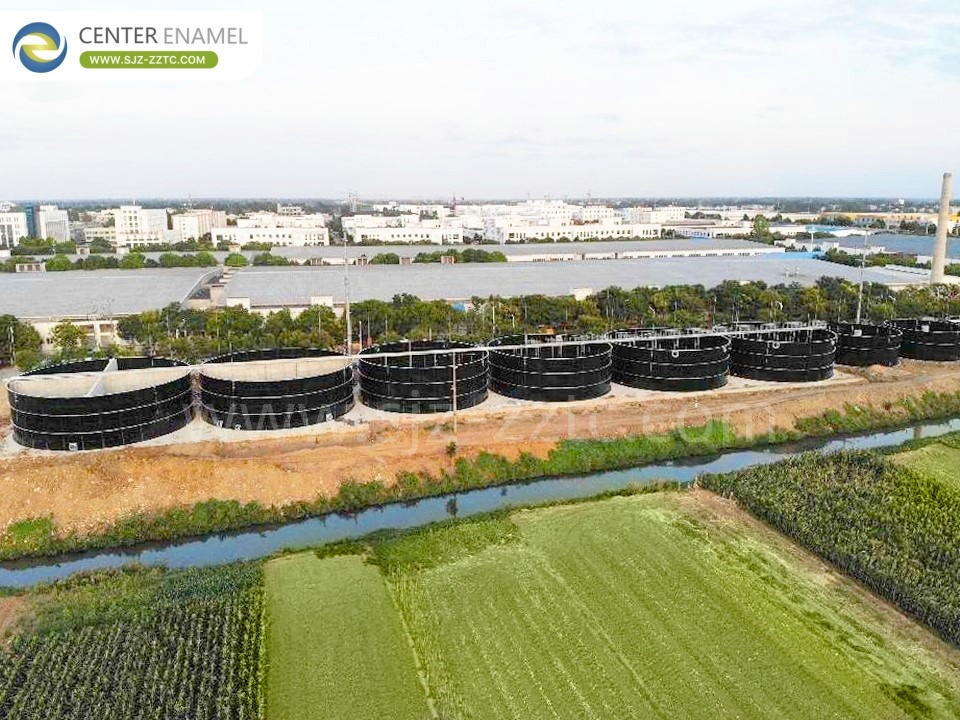
Proyek Biogas Premium dan Tangki GFS untuk Pengolahan Air Limbah Peternakan Unggas Vietnam
| Tempat asal: | Cina |
| Nama merek: | CEC TANKS |
| Sertifikasi: | ISO 9001:2008, AWWA D103 , OSHA , BSCI |
| Nomor model: | W |
| Kuantitas min Order: | 1SET |
| Harga: | $5000~$20000 one set |
| Kemasan rincian: | Poli-busa PE di antara masing-masing dua pelat baja; palet kayu dan kayu |
| Waktu pengiriman: | 10-30 hari setelah setoran diterima |
| Syarat-syarat pembayaran: | L/C, T/T |
| Menyediakan kemampuan: | 60 set per bulan |
|
Informasi detil |
|||
| Tempat asal | Cina | Nama merek | CEC TANKS |
|---|---|---|---|
| Sertifikasi | ISO 9001:2008, AWWA D103 , OSHA , BSCI | Nomor model | W |
| Warna badan tangki: | Hijau tua / bisa disesuaikan | Integritas korosi: | Bagus sekali |
| Ketebalan pelat baja: | 3mm hingga 12mm, tergantung pada struktur tangki | Ketahanan Kimia: | Bagus sekali |
| Ukuran Panel: | 2.4m * 1.2m | Mudah Dibersihkan: | Halus, mengkilap, lembam, anti-adhesi |
| Menyoroti: | proyek biogas untuk air limbah peternakan unggas,Tangki GFS untuk pengolahan air limbah,proyek pengolahan air limbah biogas Vietnam |
||
Deskripsi Produk
Proyek Biogas Premium dan Tangki GFSVietnamPengolahan Air Limbah Pertanian Unggas
Di Vietnam, sektor pertanian berfungsi sebagai pilar ekonomi yang penting, namun semakin menghadapi tantangan mengelola volume ternak dan limbah organik yang besar.Sebagai negara bergerak menuju masa depan yang lebih hijau dan berusaha untuk mendiversifikasi campuran energi, implementasi skala besarProyek Biogastelah menjadi kebutuhan strategis. Dengan memanfaatkan kinerja tinggiTangki Glass-Fused-to-Steel (GFS)dan penyimpanan gas profesional, peternakan di seluruh wilayah berhasil mengubah kewajiban lingkungan menjadi aset energi terbarukan.
Tantangan dan Potensi Sumber Daya Biogas Vietnam
Vietnam memiliki potensi energi biomassa yang signifikan, terutama di provinsi dengan konsentrasi ternak yang tinggi.Pengolahan Air Limbah PertanianBanyak sistem pengelolaan limbah tradisional di wilayah ini berjuang dengan beban organik pupuk yang tinggi dan sifat korosif dari limbah.
Tantangan utama terletak pada daya tahan infrastruktur dan perlindungan lingkungan.Iklim di Vietnam membutuhkan, larutan tahan asam yang dapat digunakan dengan cepat untuk mencegah kontaminasi air bawah tanah.Pemegang Biogasprodusen, Center Enamel menyediakan sistem penahan kelas industri yang mengatasi tantangan khusus ini,Membantu perusahaan pertanian Vietnam memenuhi standar lingkungan sambil memastikan independen energi terdesentralisasi.
Proses Produksi dan Penggunaan Biogas
Konversi air limbah pertanian menjadi energi hijau adalah perjalanan biologis yang dikendalikan dengan presisi.alur produksi mengintegrasikan beberapa tahap kritis dan peralatan khusus:
Pengumpulan bahan baku: Limbah ternak mentah dan air cuci fasilitas dikumpulkan untuk memastikan beban organik yang stabil.
Pencernaan Anaerobik (Reaktor): Inti dari proses terjadi di reaktorTangki GFSDalam lingkungan bebas oksigen, mikroorganisme khusus memecah materi organik untuk menghasilkan metana.
Penangkapan dan Penyimpanan Gas: Gas yang kaya metana ditangkap dengan integritas tinggipemegang biogas(seperti atap membran ganda) dipasang langsung di atas tangki untuk menjaga tekanan konstan.
Pengkondisian dan Penggunaan: Sebelum digunakan, biogas mengalami dehidrasi dan desulfurisasi untuk menghilangkan kelembaban dan sulfida.
Generasi Listrik Biogas: Metana dibakar untuk menggerakkan generator untuk listrik.
Pemanas: Pembakaran langsung menyediakan energi termal untuk fasilitas industri atau pertanian.
Sistem Flare: Ini memastikan keamanan dengan melepaskan tekanan ketika produksi gas melebihi kapasitas penyimpanan atau pemanfaatan.
Gas alam terkompresi (CNG): Gas dimurnikan menjadi lebih dari 95% metana dan dikompresi untuk digunakan sebagai bahan bakar berkualitas tinggi.
Tangki GFS Enamel Pusat: Bahan dan Keuntungan Utama
Dalam lingkungan yang menuntut pencernaan anaerobik, bahan reaktor secara langsung menentukan keberhasilan proyek jangka panjang.Tangki Enamel Pusat Kaca-Menghancurkan-ke-Baja (GFS)adalah standar industri global untuk infrastruktur biogas:
Ketahanan Korosi yang Lebih Tinggi: Lapisan kaca yang dilebur pada suhu melebihi 800 °C menciptakan penghalang inert dan tidak berpori yang tahan terhadap kadar amonia dan asam organik yang tinggi.
Instalasi Modular Cepat: Desain bolted menghilangkan pengelasan kompleks di tempat, memungkinkan pemasangan cepat bahkan di daerah pedesaan terpencil.
Perawatan Rendah dan Ketahanan: Dirancang untuk kondisi ekstrim, tangki GFS menawarkan umur layanan lebih dari 30 tahun dengan biaya pemeliharaan yang sangat rendah dibandingkan dengan beton.
Standar Internasional: Tangki kami memenuhi atau melebihi standar desain seperti AWWA D103-09 dan ISO 28765, memastikan keamanan dan keandalan dalam setiap iklim.
Proses Teknik Presisi: CSTR, USR, dan UASB
Untuk memaksimalkan hasil gas dari berbagai beban pertanian, Center Enamel mendukung berbagai proses biologis anaerob tingkat tinggi:
CSTR (Reaktor Tangki yang Dipercampur Sempurna): Standar emas untuk kotoran hewan tebal. pencampur mekanis menjaga lingkungan yang homogen, mencegah zat padat dari menetap dan memaksimalkan aktivitas mikroba.
USR (Upflow Solids Reactor): Secara khusus dioptimalkan untuk air limbah dengan konsentrasi tinggi zat padat tersuspensi (SS), memastikan pencernaan yang menyeluruh dari bahan organik yang kompleks.
UASB (Upflow Anaerobic Sludge Blanket): Proses efisiensi tinggi yang ideal untuk limbah cair, mencapai degradasi cepat dalam jejak kompak dengan mengalirnya air limbah melalui selimut lumpur granular yang padat.
Kinerja yang Terbukti: Keunggulan Infrastruktur Global
Teknologi Center Enamel® diverifikasi oleh proyek berkinerja tinggi di berbagai iklim dan standar lingkungan.
1Proyek Biogas di Malaysia
Proyek ini menunjukkan skala dan efisiensi teknologi GFS dalam pengolahan limbah organik industri.
Konfigurasi: 5 tangki GFS.
Ukuran Tangki: Tangki GFS tunggal: 5.400 m3 (Ø24.46 m × 12 m)
Total Volume Efektif dari 5 Tangki:27,000 m3
Efisiensi Pencernaan: Mencapai laju pencernaan sekitar 80%.
Output gas: Produksi gas harian dari tangki tunggal adalah sekitar 4.400 m3; total produksi gas harian untuk lima tangki adalah sekitar 22.000 m3.
Tingkat Produksi: Sekitar 0,45 m3 biogas dihasilkan untuk setiap 1 kg COD yang dihapus.
2Proyek Biogas di Henan
Proyek ini menunjukkan efisiensi proses CSTR dalam pemulihan energi skala besar dari limbah pertanian.
Tanggal pemasangan: 2013.
Lokasi: Provinsi Henan, Cina.
Kapasitas penanganan: 650 ton/hari pupuk hewan ternak dan air cuci.
Metode Pengobatan:Pencernaan Anaerob Mesophilik
Jenis reaktor:Reaktor Tangki yang Diperagukan Sepenuhnya (CSTR)
Kesimpulan: Bermitra untuk Masa Depan yang Lebih Hijau
Untuk operator pertanian di Vietnam dan di seluruh dunia, transisi ke pengelolaan limbah berkelanjutan adalah tanggung jawab lingkungan dan peluang ekonomi.Dengan menggabungkan ketahanan struktural dariTangki GFSdengan tingkat lanjutTeknologi Biogas, Center Enamel (Zhengzhong Technology) menyediakan solusi komprehensif untukPengolahan Air Limbah PertanianDengan lebih dari 30 tahun pengalaman dan proyek di lebih dari 100 negara, kami berdedikasi untuk membantu petani mengubah limbah pertanian menjadi energi masa depan yang berkelanjutan.