-
Tangki Kaca Yang Dilelehkan Ke Baja (596)
-
Tangki Baja Tidak Berlemak (434)
-
Tangki epoxy yang terikat dengan fusi (592)
-
Tangki Baja Galvanis (321)
-
Atap Dome Aluminium (1316)
-
Tangki penyimpanan air limbah (231)
-
tangki baja las (457)
-
Kapal Tekanan (295)
-
Pencernaan Anaerobik (201)
-
Tangki Air Industri (349)
-
Tangki baja berlapis kaca (180)
-
Tangki Baja Berbolt (390)
-
Tangki Penyimpanan Lumpur (115)
-
Tangki Penyimpanan Biogas (173)
-
Tangki Penyimpanan Leachate (133)
-
Tangki penyimpanan air pertanian (179)
-
Tangki Air Api (166)
-
Silos Gudang Gandum (146)
-
Proyek Biogas (425)
-
Proyek Pengolahan Air Limbah (788)
-
Atap Membran Ganda (223)

|
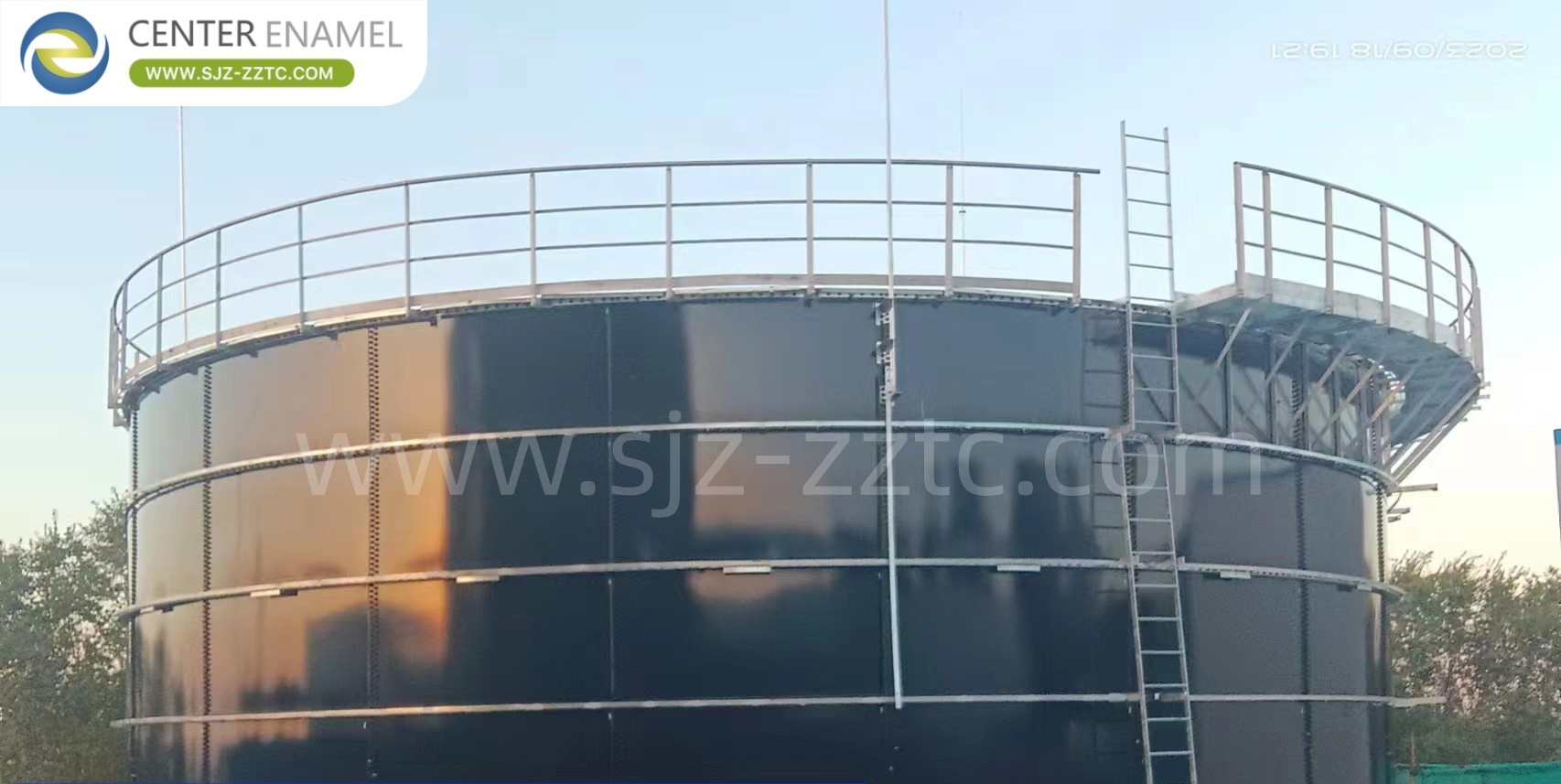
Solusi EPC Lanjutan untuk Proyek Pengolahan Air Limbah Minuman Myanmar
| Tempat asal: | Cina |
| Nama merek: | CEC TANKS |
| Sertifikasi: | ISO 9001:2008, AWWA D103 , OSHA , BSCI |
| Nomor model: | W |
| Kuantitas min Order: | 1SET |
| Harga: | $5000~$20000 one set |
| Kemasan rincian: | Poli-busa PE di antara masing-masing dua pelat baja; palet kayu dan kayu |
| Waktu pengiriman: | 10-30 hari setelah setoran diterima |
| Syarat-syarat pembayaran: | L/C, T/T |
| Menyediakan kemampuan: | 60 set per bulan |
|
Informasi detil |
|||
| Tempat asal | Cina | Nama merek | CEC TANKS |
|---|---|---|---|
| Sertifikasi | ISO 9001:2008, AWWA D103 , OSHA , BSCI | Nomor model | W |
| Warna badan tangki: | Hijau tua / bisa disesuaikan | Integritas korosi: | Bagus sekali |
| Ketebalan pelat baja: | 3mm hingga 12mm, tergantung pada struktur tangki | Ketahanan Kimia: | Bagus sekali |
| Ukuran Panel: | 2.4m * 1.2m | Mudah Dibersihkan: | Halus, mengkilap, lembam, anti-adhesi |
| Menyoroti: | Solusi pengolahan air limbah EPC,Proyek air limbah minuman Myanmar,Pengolahan air limbah industri dengan garansi |
||
Deskripsi Produk
Solusi EPC Lanjutan untuk Proyek Pengolahan Air Limbah Minuman Myanmar
Industri minuman Myanmar sedang mengalami periode transformasi yang signifikan, dengan meningkatnya permintaan domestik dan investasi internasional di sektor minuman ringan, air kemasan, dan pembuatan bir.Saat negara bergerak menuju modernisasi industri, Kementerian Sumber Daya Alam dan Konservasi Lingkungan (MONREC) menempatkan prioritas yang lebih tinggi pada standar limbah industri.
Untuk produsen minuman di Myanmar, menerapkanProyek Pengolahan Air Limbah Minumantidak lagi hanya hambatan peraturan tetapi merupakan persyaratan dasar untuk kelangsungan operasional jangka panjang.Kontraktor EPCadalah cara yang paling efektif untuk menavigasi tantangan lingkungan yang muncul ini.
Permasalahan Air Limbah Minuman di Myanmar
Di Myanmar, pembuangan industri terutama diatur di bawah Undang-Undang Konservasi Lingkungan dan Pedoman Kualitas Lingkungan Nasional (Emisi).Pengolah minuman menghadapi beberapa kesulitan kritis dalam mengelola air limbah mereka:
Defisit Infrastruktur:Banyak zona industri di Myanmar tidak memiliki fasilitas pengolahan terpusat, memaksa pabrik individu untuk mengelola aliran limbah yang kompleks secara independen.
Beban Organik Tinggi:Produksi minuman menghasilkan permintaan oksigen kimia (COD) dan permintaan oksigen biologis (BOD) yang tinggi karena adanya gula dan padatan organik,yang dapat menyebabkan pencemaran air lokal yang parah jika tidak diobati.
Keterbatasan sumber daya:Akses ke energi dan air yang dapat diandalkan dapat tidak konsisten. Sistem pemurnian modern harus berfokus tidak hanya pada pemurnian tetapi juga pada pemulihan sumber daya, seperti mengubah limbah menjadi biogas.
Cara Membuat Air Limbah Minuman
Generasi air limbah di pabrik minuman adalah proses yang beragam terkait dengan produksi dan sanitasi:
Produksi & Formulasi:Tumpahan, pencucian peralatan, dan perubahan produk memasukkan gula, sirup, dan perasa ke dalam limbah.
Pembersihan dan Sanitasi (CIP):Siklus Clean-In-Place yang sering adalah wajib untuk keselamatan pangan.
Pengolahan bahan baku:Mencuci buah-buahan, biji-bijian, atau sayuran melepaskan zat padat organik dan karbohidrat alami ke aliran limbah.
Kemasan:Mencuci botol dan membilas wadah menghasilkan volume cairan yang signifikan yang mengandung residu produk dan bahan kimia pembersih.
Proses Pengolahan Air Limbah Minuman Terpadu
Center Enamel, melayani sebagai global utamaKontraktor EPC, merancang sistem turnkey yang mengikuti proses multi-tahap yang terbukti untuk memastikan pembuangan yang sesuai di pasar Myanmar:
Pengolahan pra mekanis:Penyaringan halus dan penghapusan kerikil menghilangkan puing-puing besar untuk melindungi unit biologis sensitif di hulu sungai.
Pemisahan primer:Unit Flotasi Udara Larut (DAF) menghilangkan lemak, minyak, dan zat padat yang tersuspensi, yang sangat penting untuk jus dan garis berbasis susu.
Equalization Aliran:Tangki pengatur menyeimbangkan laju aliran dan tingkat pH, memberikan aliran stabil untuk tahap biologis inti.
Inti anaerobik:Jantung proyek di mana bahan organik kekuatan tinggi diubah menjadi biogas yang kaya metana dalam lingkungan bebas oksigen.
Pengerjaan aerobik:Proses pasca-anaerobik lebih lanjut mengurangi polutan yang tersisa untuk memenuhi Pedoman Kualitas Lingkungan Nasional Myanmar.
Teknologi inti: CSTR, UASB, USR, dan IC
Efisiensi dariProyek Pengolahan Air Limbah MinumanCenter Enamel mengkhususkan diri dalam empat proses anaerobis kelas dunia:
CSTR (Continuous Stirred Tank Reactor):Ideal untuk limbah padat tinggi seperti pulpa buah, menggunakan adonan mekanis untuk memastikan pencernaan yang stabil dan hasil biogas yang tinggi.
UASB (Upflow Anaerobic Sludge Blanket):Solusi tingkat tinggi untuk limbah fase cair yang mencapai penghapusan COD yang unggul dalam jejak yang kompak.
USR (Upflow Solids Reactor):Dirancang khusus untuk air limbah dengan zat padat yang lebih tinggi (SS), memastikan partikel organik dipecah secara menyeluruh.
Reaktor IC (Sirkulasi Internal):Reaktor "generasi berikutnya" dengan sirkulasi internal yang memungkinkan tingkat pemuatan organik yang sangat tinggi, sempurna untuk pabrik bir industri skala besar.
Keunggulan Tangki GFS dalam Aplikasi Industri
Perbedaan penting untuk Center Enamel adalah penggunaan hak ciptaTangki GFS(Glass-Fused-to-Steel) sebagai wadah pengendalian utama.
Tahan korosi yang lebih baik:Penggabungan kaca dan baja menciptakan permukaan inert yang tahan terhadap asam organik dan bahan kimia CIP yang keras.
Instalasi Modular Cepat:Desain bolt memungkinkan konstruksi yang jauh lebih cepat daripada beton tradisional, yang sangat penting di daerah dengan infrastruktur konstruksi lokal yang terbatas.
Daya tahan dan umur panjang:Dirancang untuk umur layanan melebihi 30 tahun,Tangki GFSmembutuhkan perawatan minimal bahkan dalam kelembaban tropis.
Skalabilitas:Desain modular memungkinkan produsen untuk dengan mudah memperluas kapasitas mereka seiring pertumbuhan produksi.
Mengapa memilih Center Enamel sebagai kontraktor EPC Anda?
Center Enamel menyediakan pengalaman "one-stop" dari rekayasa awal hingga komisi akhir:
Keahlian Teknis Global:Dengan proyek di lebih dari 100 negara, kami membawa praktik terbaik internasional ke pasar Myanmar lokal.
Teknik yang disesuaikan:Sistem kami dirancang dengan presisi untuk memenuhi profil air limbah tertentu dan standar peraturan lokal.
Integrasi Sistem Lengkap:Kami menyediakan paket mulus termasukTangki GFS, pemegang gas membran ganda, dan kontrol otomatis canggih.
Kesuksesan yang Terbukti: Studi Kasus Global
Kasus 1: Proyek Pengolahan Air Limbah Minuman Peru
Ukuran Tangki:
Φ5,35 × 4,8 m (H) 1 Unit
Φ6,11 × 6,6 m (H) 2 Satuan
Φ8.41 × 9.0 m (H) 1 Unit
Φ7,64 × 5,4 m (H) 1 Unit
Total Volume: 1.241 m3
Tanggal pemasangan: 2025
Kasus 2: Proyek Pengolahan Air Limbah Minuman Guinea
Ukuran Tangki: Φ6,11 × 4,8 m (H) 1 Unit
Volume total: 141 m3 1 Unit
Tanggal pemasangan: 2024
Dalam lanskap industri yang berkembang di Myanmar, pengelolaan air limbah yang berkelanjutan adalah prasyarat keberhasilan.Kontraktor EPC, menggabungkan teknologi anaerobik canggih dengan daya tahan yang tak tertandingiTangki GFSSistem kami tidak hanya memastikan kepatuhan terhadap peraturan; mereka memberdayakan produsen minuman untuk memulihkan energi dan melindungi sumber daya air lokal.Dengan mengubah kewajiban lingkungan menjadi aset biogas terbarukan, Center Enamel menyediakan dasar teknis untuk industri minuman yang lebih bersih, lebih menguntungkan, dan berkelanjutan di Myanmar.