-
Tangki Kaca Yang Dilelehkan Ke Baja (596)
-
Tangki Baja Tidak Berlemak (434)
-
Tangki epoxy yang terikat dengan fusi (592)
-
Tangki Baja Galvanis (321)
-
Atap Dome Aluminium (1316)
-
Tangki penyimpanan air limbah (231)
-
tangki baja las (457)
-
Kapal Tekanan (295)
-
Pencernaan Anaerobik (201)
-
Tangki Air Industri (349)
-
Tangki baja berlapis kaca (180)
-
Tangki Baja Berbolt (390)
-
Tangki Penyimpanan Lumpur (115)
-
Tangki Penyimpanan Biogas (173)
-
Tangki Penyimpanan Leachate (133)
-
Tangki penyimpanan air pertanian (179)
-
Tangki Air Api (166)
-
Silos Gudang Gandum (146)
-
Proyek Biogas (425)
-
Proyek Pengolahan Air Limbah (788)
-
Atap Membran Ganda (223)


|
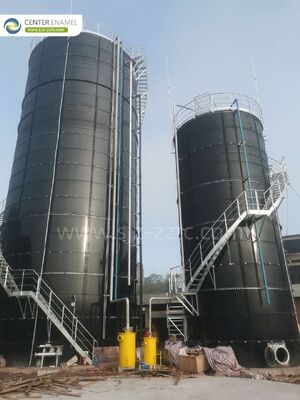
Transformasi Limbah Babi: Teknologi Biogas Canggih dan Tangki GFS di Korea Selatan
| Tempat asal: | Cina |
| Nama merek: | CEC TANKS |
| Sertifikasi: | ISO 9001:2008, AWWA D103 , OSHA , BSCI |
| Nomor model: | W |
| Kuantitas min Order: | 1set |
| Harga: | $5000~$20000 one set |
| Kemasan rincian: | Poli-busa PE di antara masing-masing dua pelat baja; palet kayu dan kayu |
| Waktu pengiriman: | 10-30 hari setelah setoran diterima |
| Syarat-syarat pembayaran: | L/C, T/T |
| Menyediakan kemampuan: | 60 set per bulan |
|
Informasi detil |
|||
| Tempat asal | Cina | Nama merek | CEC TANKS |
|---|---|---|---|
| Sertifikasi | ISO 9001:2008, AWWA D103 , OSHA , BSCI | Nomor model | W |
| Warna badan tangki: | Hijau tua / bisa custom | Integritas Korosi: | Bagus sekali |
| Ketebalan pelat baja: | 3mm hingga 12mm, tergantung pada struktur tangki | Ketahanan Kimia: | Bagus sekali |
| Ukuran Panel: | 2,4M * 1,2M | Mudah Dibersihkan: | Halus, mengkilap, inert, anti-adhesi |
| Menyoroti: | teknologi biogas limbah babi,pengolahan air limbah tangki GFS,Proyek biogas Korea Selatan |
||
Deskripsi Produk
Mengubah Limbah Babi:Lanjutkan.Proses CSTRdanTangki GFS di Brunei
Seiring sektor pertanian di Brunei Darussalam bergerak menuju kemandirian dan modernisasi yang lebih besar, industri peternakan berkembang untuk memenuhi permintaan protein domestik.Untuk memastikan perkembangan ini sejalan dengan komitmen negara untuk pelestarian lingkungan, integrasi teknologi canggihSolusi Biogas, yangProses CSTR, danTangki Glass-Fused-to-Steel (GFS)telah menjadi prioritas strategis bagi operator pertanian.
Landskap Sektor Babi Brunei
Industri peternakan babi Brunei sedang beralih dari produksi tradisional dan lokal ke operasi yang lebih terstruktur dan dikomersialkan.Pergeseran ini didorong oleh upaya nasional untuk keamanan pangan dan modernisasi tempat pakan di daerah pengembangan pertanianSementara kemajuan ini mendukung rantai pasokan lokal,Mereka juga menghasilkan volume limbah organik "kekuatan tinggi" yang signifikan yang melebihi kapasitas pemrosesan alami metode pembuangan tradisional.
Bahaya Lingkungan dari Pelepasan Limbah Babi Langsung
Di iklim tropis Brunei, yang ditandai dengan kelembaban tinggi dan curah hujan musiman yang tinggi, pembuangan limbah babi yang tidak tepat menimbulkan risiko ekologi yang kritis:
Pencemaran Air: Pelepasan langsung dapat menyebabkan leaching nitrat, fosfor, dan patogen ke cekungan air lokal dan air bawah tanah, yang penting untuk kesehatan lingkungan di wilayah tersebut.
Pencemaran Udara: Penguraian pupuk yang tidak diobati melepaskan sejumlah besar metana ($CH_4$) dan amonia, mempengaruhi kualitas udara lokal dan meningkatkan jejak gas rumah kaca.
Degradasi Tanah: Penggunaan pupuk yang berlebihan atau mentah dapat menyebabkan kelebihan nutrisi dan akumulasi logam berat, yang akhirnya merusak kualitas tanah dan produktivitas pertanian jangka panjang.
Risiko Keamanan Biologi: Limbah yang dikelola dengan buruk berfungsi sebagai reservoir untuk patogen, mengancam kesehatan ternak dan meningkatkan potensi penyakit zoonosis di masyarakat sekitarnya.
Kebijakan Pengolahan Air Limbah di Brunei
Pemerintah Brunei memberikan prioritas tinggi pada pengelolaan lingkungan dan pembangunan berkelanjutan.Standar lingkungan nasional mewajibkan fasilitas pertanian menerapkan sistem pengolahan limbah yang efektif untuk melindungi sumber daya alam dan badan air asli negaraSelain itu, rencana strategis nasional untuk pembangunan hijau mendorong adopsiTeknologi Biogasuntuk mengurangi perubahan iklim dan mempromosikan penggunaan energi bersih dan terbarukan untuk ekonomi sirkular.
Pengolahan Limbah Babi ke Biogas
Mengubah kotoran babi menjadi biogas adalah urutan biologis yang canggih yang mengekstrak nilai maksimal dari produk sampingan pertanian:
Koleksi: Limbah babi dan air cuci dikumpulkan di sump terpusat untuk mempersiapkan pengolahan.
Pencernaan Anaerobik: Limbah padat yang tinggi dimasukkan ke dalam oksigen bebasReaktor anaerobik.
Penguraian Biologis: Bakteri khusus membongkar bahan organik melalui empat tahap kritis: hidrolisis, asidogenesis, asetogenesis, dan methanogenesis.
Penangkapan Metana: Biogas yang dihasilkan, terutama metana, ditangkap dan disimpan untuk penggunaan energi.
Pemulihan Sumber Daya: Biogas menghasilkan listrik atau panas untuk peternakan, sementara digestate yang stabil digunakan sebagai pupuk organik berkualitas tinggi untuk tanaman lokal.
Proses Anaerobis Khusus: CSTR, UASB, USR, dan IC
Center Enamel menawarkan serangkaian teknologi anaerob yang dirancang untuk menangani karakteristik limbah ternak yang berbeda:
CSTR (Reaktor Tangki yang Dipercampur Sempurna): Proses ini menggunakan pergaulan mekanis untuk menjaga bubur dalam suspensi, memastikan pencernaan yang seragam dan mencegah pembentukan kerak permukaan.Hal ini sangat efektif untuk konsistensi pupuk yang bervariasi yang umum terjadi pada operasi babi.
UASB (Upflow Anaerobic Sludge Blanket): Paling cocok untuk limbah cair berat, menggunakan selimut lumpur granular untuk pengolahan cepat dan penghapusan COD efisiensi tinggi.
USR (Upflow Solids Reactor): Didesain khusus untuk limbah dengan banyak zat padat (SS), seperti pupuk babi tebal, untuk memaksimalkan pemecahan serat kompleks.
Reaktor IC (Sirkulasi Internal): Reaktor kecepatan tinggi menggunakan gas-lift untuk sirkulasi internal, sempurna untuk pengolahan industri skala besar.
Keuntungan Aplikasi Tangki GFS dalam Proyek Biogas
Untuk infrastruktur biogas di Brunei,Tangki Glass-Fused-to-Steel (GFS)adalah pilihan utama untuk wadah reaktor:
Ketahanan Korosi yang Lebih Tinggi: Ikatan kaca-ke-baja melindungi wadah dari korosif H2S dan asam organik yang dihasilkan selama proses pencernaan.
Konstruksi Modular yang Cepat: Tangki GFS yang diborgol di lokasi memungkinkan penyebaran yang jauh lebih cepat di berbagai lokasi dibandingkan dengan beton tradisional.
Ketahanan Tropis: Mereka dirancang untuk menahan tingkat UV yang ekstrim, kelembaban tinggi, dan hujan tropis yang intens tanpa retak atau terdegradasi.
Mudah Dipertahankan: Permukaan yang halus dan inert mencegah pembentukan sisik, memastikan umur layanan lebih dari 30 tahun.
Mengapa Bermitra dengan Center Enamel?
MemilihCenter enamelberarti bermitra dengan pemimpin global dalam rekayasa lingkungan:
Solusi EPC Kunci Utama: Kami mengelola seluruh siklus hidup proyek, mulai dari desain proses biologis dan pembuatan tangki hingga pemasangan di lokasi.
Pengalaman Global: Dengan proyek di lebih dari 100 negara, kami memahami bagaimana menyesuaikan teknologi dengan kebutuhan iklim dan operasional lokal.
Standar Internasional: Tangki kami memenuhi atau melebihi standar AWWA D103, OSHA, dan ISO, memastikan keamanan dan efisiensi maksimum.
Teknologi Canggih: Reaktor kami dioptimalkan untuk mencapai hasil biogas tertinggi dan kualitas limbah.
Kisah Sukses Global: Kasus Proyek Terbukti
Kasus1: Proyek Biogas Swedia
Ukuran tangki: φ19.11 × 19.2 m (H) 1 Unit
Total Volume: 5.510 m3
Tahun Selesai: 2024
Kasus 2: Proyek Biogas Malaysia
Ukuran Tangki: φ22.93 × 12.325 m (H) 1 Unit
Volume total: 5.087 m3 1 Unit
Tahun Selesai: 2025
Untuk industri babi yang berkembang di Brunei, integrasiTeknologi BiogasmenggunakanProses CSTRdanTangki GFSmerupakan solusi yang ampuh untuk pengelolaan limbah modern.Center Enamel's keahlian teknik yang komprehensif memungkinkan pemilik peternakan untuk memenuhi peraturan lingkungan sambil secara signifikan menurunkan biaya energiDengan mengubah kotoran babi menjadi energi terbarukan,peternakan di Brunei dapat mencapai "ekonomi berputar" yang berkelanjutan yang melindungi sumber daya alam negara dan meningkatkan profitabilitas operasional jangka panjangRekam jejak global kami, dengan proyek sukses mulai dari Kanada ke Malaysia, membuktikan bahwa modular kami,Solusi penyimpanan tahan korosi adalah pilihan ideal untuk kondisi iklim dan permintaan operasional.