-
Tangki Kaca Yang Dilelehkan Ke Baja (596)
-
Tangki Baja Tidak Berlemak (434)
-
Tangki epoxy yang terikat dengan fusi (592)
-
Tangki Baja Galvanis (321)
-
Atap Dome Aluminium (1316)
-
Tangki penyimpanan air limbah (231)
-
tangki baja las (457)
-
Kapal Tekanan (295)
-
Pencernaan Anaerobik (201)
-
Tangki Air Industri (349)
-
Tangki baja berlapis kaca (180)
-
Tangki Baja Berbolt (390)
-
Tangki Penyimpanan Lumpur (115)
-
Tangki Penyimpanan Biogas (173)
-
Tangki Penyimpanan Leachate (133)
-
Tangki penyimpanan air pertanian (179)
-
Tangki Air Api (166)
-
Silos Gudang Gandum (146)
-
Proyek Biogas (425)
-
Proyek Pengolahan Air Limbah (788)
-
Atap Membran Ganda (223)

|
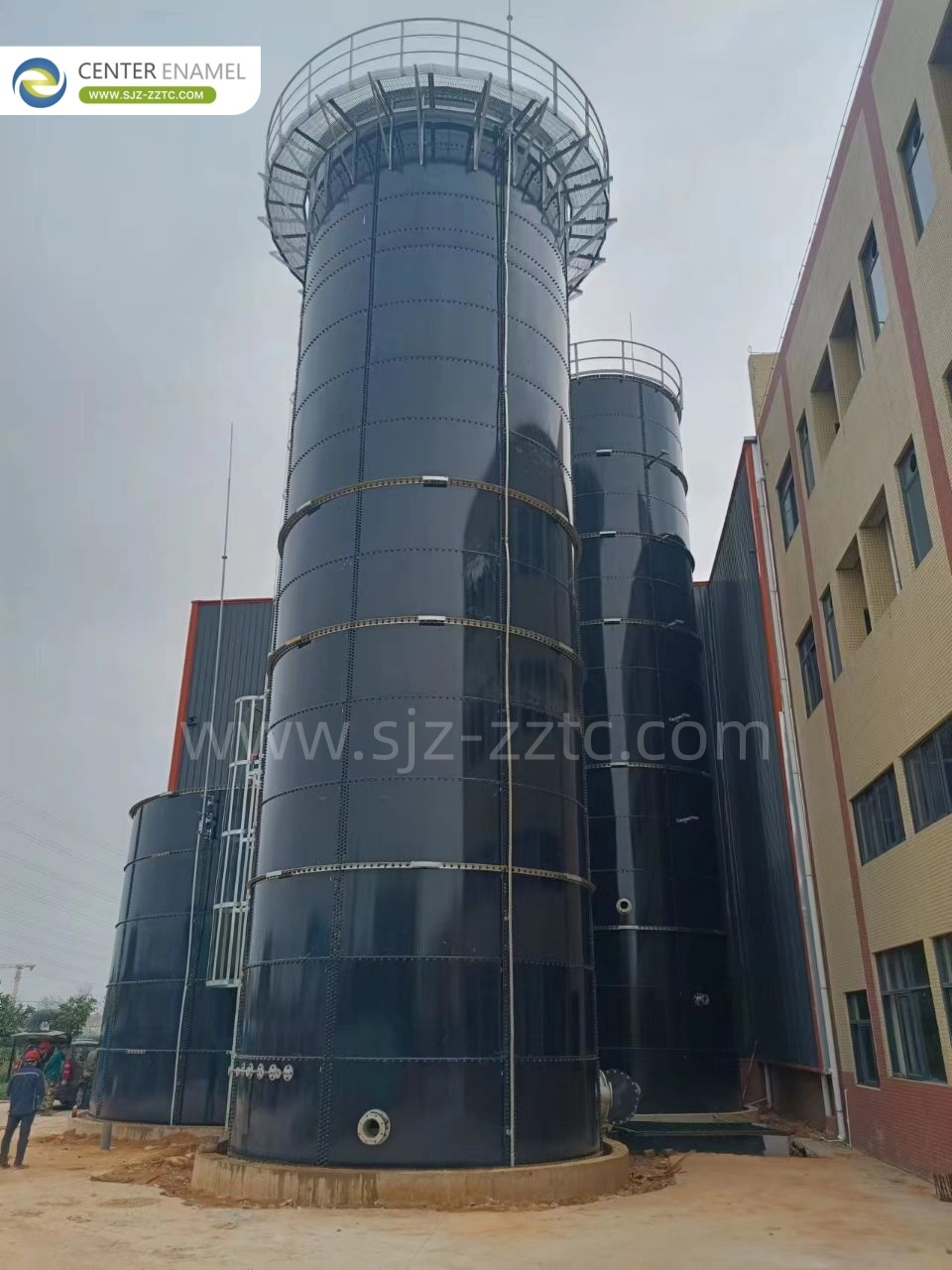
Solusi Biogas Terdepan dan Tangki GFS untuk Proyek Biogas Kotoran Ayam Mesir
| Tempat asal: | Cina |
| Nama merek: | CEC TANKS |
| Sertifikasi: | ISO 9001:2008, AWWA D103 , OSHA , BSCI |
| Nomor model: | W |
| Kuantitas min Order: | 1set |
| Harga: | $5000~$20000 one set |
| Kemasan rincian: | Poli-busa PE di antara masing-masing dua pelat baja; palet kayu dan kayu |
| Waktu pengiriman: | 10-30 hari setelah setoran diterima |
| Syarat-syarat pembayaran: | L/C, T/T |
| Menyediakan kemampuan: | 60 set per bulan |
|
Informasi detil |
|||
| Tempat asal | Cina | Nama merek | CEC TANKS |
|---|---|---|---|
| Sertifikasi | ISO 9001:2008, AWWA D103 , OSHA , BSCI | Nomor model | W |
| Warna badan tangki: | Hijau tua / bisa custom | Integritas Korosi: | Bagus sekali |
| Ketebalan pelat baja: | 3mm hingga 12mm, tergantung pada struktur tangki | Ketahanan Kimia: | Bagus sekali |
| Ukuran Panel: | 2,4M * 1,2M | Mudah Dibersihkan: | Halus, mengkilap, inert, anti-adhesi |
| Menyoroti: | larutan biogas untuk pupuk ayam,Tangki GFS untuk proyek biogas,Sistem biogas pengolahan air limbah |
||
Deskripsi Produk
Solusi Biogas Terdepan dan Tangki GFS untuk Proyek Biogas Kotoran Ayam Mesir
Ketika Mesir secara aktif memajukan modernisasi pertanian dan memperluas sektor peternakan domestiknya untuk memenuhi permintaan protein dari populasi yang terus meningkat,industri unggas nasional telah mengalami transisi yang signifikanMetode peternakan skala kecil tradisional dengan cepat digantikan oleh kompleks produksi ayam broiler dan ayam lapis yang intensif dan sangat otomatis.Sementara perubahan struktural ini berhasil memperkuat keamanan pangan lokal, ia secara bersamaan menghasilkan sejumlah besar limbah organik "kuat".Mengelola limbah ternak yang terkonsentrasi ini secara efektif telah menjadi tantangan lingkungan yang kritis dan prioritas operasional bagi operator peternakan unggas di seluruh negeri.
Bahaya Lingkungan dari Pelepasan Limbah Ayam Langsung
Di Mesir iklim kering dan semi kering yang unik, penanganan yang tidak tepat atau pembuangan tanpa mengurangi kotoran ayam mentah menimbulkan ancaman ekologi yang serius:
Degradasi Sumber Daya Air:Penghapusan yang tidak terkontrol atau aliran dari area penyimpanan pupuk terbuka dengan mudah membawa konsentrasi nitrat, fosfor,dan bahan organik ke dalam jaringan drainase lokal yang penting dan cekungan Sungai NilHal ini memicu eutrofiasi yang cepat, yang mengakibatkan mekarnya ganggang berbahaya yang menghancurkan habitat air tawar.
Dampak pada Atmosfer dan Kualitas Udara:Penguraian biologis sampah unggas yang tidak terkendali melepaskan amonia ($NH_3$) dan metana ($CH_4$) dalam jumlah besar.dan pelepasannya yang tidak tertangkap sangat merusak kualitas udara regional dan mempersulit strategi adaptasi iklim nasional Mesir.
Resiko keamanan biologis dan gesekan bau:Fasilitas unggas intensif yang terletak di dekat perbatasan perkotaan atau perumahan yang berkembang menghadapi gesekan masyarakat yang terus-menerus karena profil bau yang intens dan pembiakan hama.limbah burung yang tidak diolah berfungsi sebagai reservoir biologis untuk patogen yang persisten, mengorbankan biosecurity pertanian yang ketat.
Kebijakan Pengolahan Air Limbah di Mesir
Untuk mengatasi kekhawatiran lingkungan yang berkembang ini, Pemerintah Mesir, melalui Kementerian Lingkungan Hidup dan Badan Urusan Lingkungan Mesir (EEAA),menerapkan peraturan ketat tentang pembuangan limbah industri dan pertanian di bawah UU No.. 4 tahun 1994 dan UU No. 48 tahun 1982 tentang perlindungan air Sungai Nil. Peraturan mewajibkan bahwa operasi peternakan komersial menggunakan sistem stabilisasi limbah dan pengendalian polusi yang terorganisir.Pada saat yang sama, Strategi Pembangunan Berkelanjutan Mesir (Visi 2030) secara aktif mendorong integrasi teknologi pengolahan limbah menjadi energi,mengubah kepatuhan lingkungan yang wajib menjadi mekanisme yang berkelanjutan untuk pemulihan sumber daya hijau.
Dari Limbah ke Energi: Proses Biogas Limbah Ayam
Mengubah pupuk ayam yang sangat padat menjadi bioenergi yang berharga bergantung pada proses pencernaan anaerob yang sangat terstruktur dan multi-tahap:
Pengolahan pra dan homogenisasi:Chicken manure and farm wash-water are systematically collected from poultry houses and transferred to a homogenization sump where high-speed mixing adjusts the total solids (TS) concentrations to optimal parameters.
Pencernaan Anaerob:Limbah yang disiapkan dimasukkan ke dalam reaktor anaerob tertutup di mana komunitas mikroba khusus memecah polimer organik kompleks melalui empat tahap biologis yang disinkronkan: hidrolisis,asamogenesis, asetogenesis, dan methanogenesis.
Penangkapan Biogas:Produk sampingan biologis adalah biogas mentah yang kaya metana, yang menumpuk dengan aman di bagian atas sistem pencernaan tertutup.
Realisasi Energi:The harvested biogas passes through a desulfurization system to remove corrosive hydrogen sulfide ($H_2S$) and is channeled into a Combined Heat and Power (CHP) unit to generate onsite electricity and heat, sementara digestate yang kaya nutrisi dipanen sebagai pupuk organik premium.
Teknik Lanjutan: Proses Anaerobis Khusus
Center Enamel mendesain dan memberikan serangkaian konfigurasi proses anaerobik canggih yang secara khusus dikalibrasi agar sesuai dengan sifat padatan pertanian dan air limbah yang berbeda:
Solusi anaerobik & Proses CSTR:Proses CSTR (Completely Stirred Tank Reactor) secara luas dianggap sebagai standar emas untuk limbah ternak padat seperti kotoran ayam.Ini menggunakan gerakan mekanik terus menerus untuk menjaga padatan berat secara merata tersuspensi, sepenuhnya menghilangkan penyerapan lumpur atau pembentukan sampah, memastikan produksi biogas yang tinggi dan terus menerus.
USR (Upflow Solids Reactor):Dirancang secara eksplisit untuk zat padat bergelombang tinggi (SS) dan aliran limbah organik tebal, menawarkan tingkat beban organik yang sangat baik dan pemecahan serat organik padat maksimal.
UASB (Upflow Anaerobic Sludge Blanket):Sangat cocok untuk limbah cair, menggunakan tempat tidur lumpur anaerobik granular padat untuk mencapai pengurangan permintaan oksigen kimia (COD) yang efisien.
Reaktor IC (Sirkulasi Internal):Sebuah sistem anaerobis yang sangat khusus dan sangat cepat yang memanfaatkan sirkulasi gas internal, ideal untuk pengolahan air limbah pertanian skala industri dalam volume tinggi.
Keuntungan Aplikasi Tangki GFS dalam Proyek Biogas Ayam
Ketika membangun sistem digester anaerob berkinerja tinggi di lingkungan pedesaan atau industri, tangki Glass-Fused-to-Steel (GFS) berfungsi sebagai pilihan utama untuk infrastruktur reaktor:
Tahan korosi yang tak tertandingi:Fusi kimia kaca ke lembaran baja menciptakan penghalang inert yang dengan mudah menahan gas $H_2S$ agresif dan asam lemak volatil yang dihasilkan selama pencernaan limbah unggas.
Konstruksi Modular Cepat:Tangki GFS diikat secara mulus di lokasi. Hal ini menghilangkan waktu pengerasan yang lama yang terkait dengan struktur beton, memungkinkan penyebaran cepat di daerah pertanian terpencil.
Ketahanan Iklim:Dirancang untuk menangani suhu sekitar Mesir yang tinggi, paparan sinar UV matahari yang intens, dan kondisi kering tanpa retak, mengelupas, atau mengalami degradasi struktural.
Pemeliharaan minimal & umur panjang:Permukaan enamel yang halus dan sangat rendah gesekan mencegah pembentukan skala, memastikan umur layanan yang dapat diandalkan melebihi 30 tahun dengan biaya pemeliharaan yang sangat rendah.
Mengapa Memilih Enamel Pusat?
Kemitraan dengan Center Enamel menjamin desain, rekayasa, dan keuntungan manufaktur yang berbeda untuk fasilitas biogas pertanian modern:
Kemampuan kunci EPC penuh:Kami menawarkan paket proyek yang komprehensif, meliputi perhitungan proses biologis, pembuatan tangki khusus, integrasi pipa, instalasi di tempat, dan persiyapan sistem akhir.
Kepatuhan Standar Global:Desain teknik kami dan pembuatan tangki GFS mematuhi standar internasional utama, termasuk AWWA D103, OSHA, dan sertifikasi ISO, menjamin keamanan struktural.
Puluhan Tahun Keahlian yang Terbukti:Dengan portofolio internasional yang kuat yang mencakup penyebaran proyek yang sukses di lebih dari 100 negara,Center Enamel memiliki kedalaman teknis untuk menyesuaikan sistem air limbah dan biogas dengan iklim regional tertentu dan variasi bahan baku.
Kisah Sukses Global: Kasus Proyek Terbukti
Kasus1: Proyek Biogas Swedia
Ukuran tangki: φ19.11 × 19.2 m (H) 1 Unit
Total Volume: 5.510 m3
Tanggal penyelesaian: 2024
Kasus 2: Proyek Biogas Malaysia
Ukuran Tangki: φ22.93 × 12.325 m (H) 1 Unit
Volume total: 5.087 m3 1 Unit
Tanggal Selesai: 2025
Untuk sektor unggas Mesir yang berkembang, integrating advanced chicken manure biogas solutions using the high-efficiency CSTR process and Glass-Fused-to-Steel (GFS) tanks represents a major milestone toward environmental and operational sustainability. Center Enamel’s specialized engineering expertise empowers local poultry producers to comfortably meet strict national environmental standards under Egypt's environmental laws while drastically reducing operational utility costsDengan mengubah limbah burung berbahaya menjadi listrik yang dapat diandalkan, terbarukan dan pupuk organik berkualitas tinggi,Pertanian Mesir dapat dengan mudah membangun ekonomi berputar yang menguntungkan sejalan dengan kerangka nasional Visi 2030Infrastruktur canggih ini secara efektif melindungi ekosistem penting Sungai Nil, mengendalikan bau pertanian, dan meningkatkan keamanan pangan jangka panjang untuk beberapa dekade mendatang.