-
Tangki Kaca Yang Dilelehkan Ke Baja (596)
-
Tangki Baja Tidak Berlemak (434)
-
Tangki epoxy yang terikat dengan fusi (592)
-
Tangki Baja Galvanis (321)
-
Atap Dome Aluminium (1316)
-
Tangki penyimpanan air limbah (231)
-
tangki baja las (457)
-
Kapal Tekanan (295)
-
Pencernaan Anaerobik (201)
-
Tangki Air Industri (349)
-
Tangki baja berlapis kaca (180)
-
Tangki Baja Berbolt (390)
-
Tangki Penyimpanan Lumpur (115)
-
Tangki Penyimpanan Biogas (173)
-
Tangki Penyimpanan Leachate (133)
-
Tangki penyimpanan air pertanian (179)
-
Tangki Air Api (166)
-
Silos Gudang Gandum (146)
-
Proyek Biogas (425)
-
Proyek Pengolahan Air Limbah (788)
-
Atap Membran Ganda (223)

|
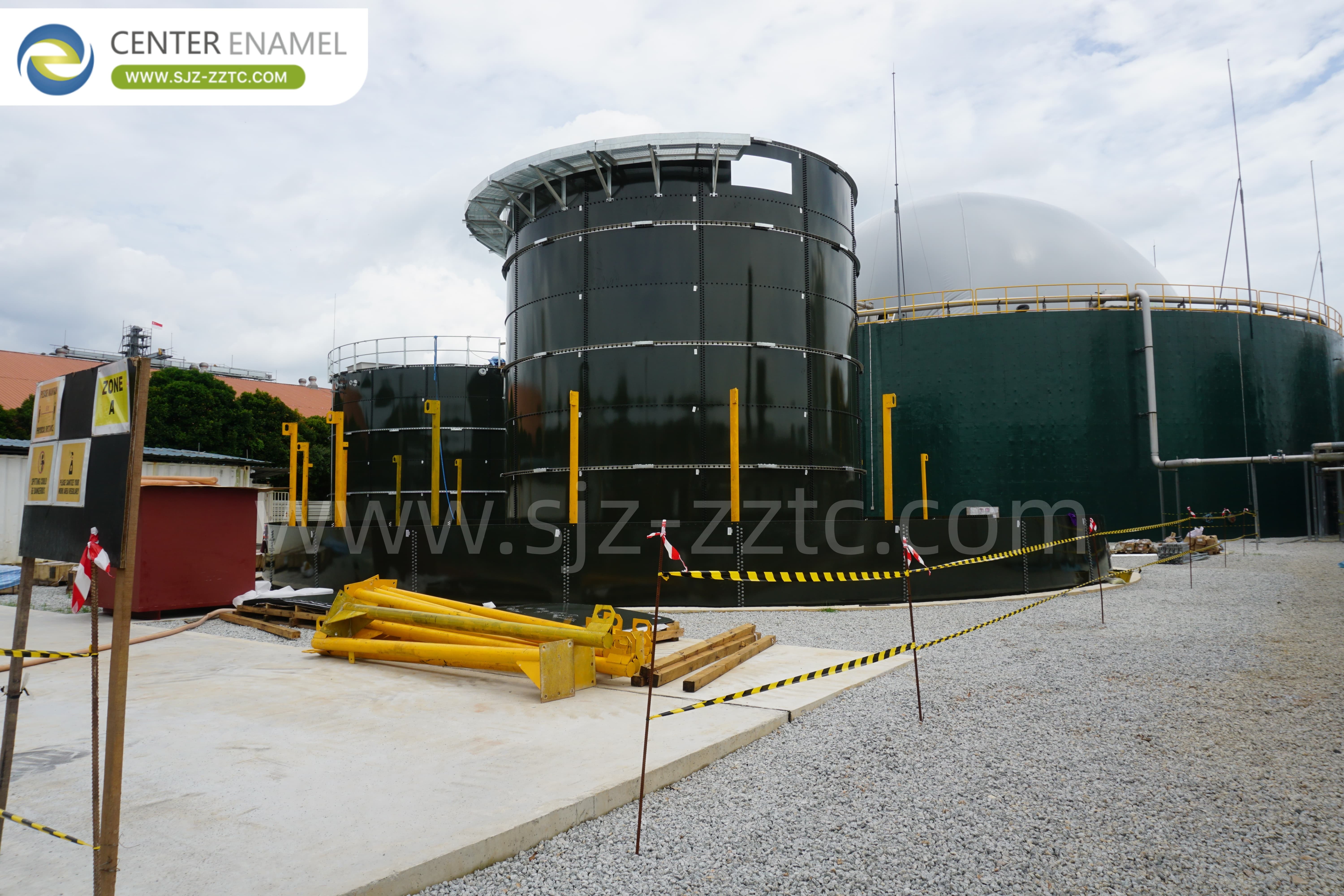
Teknologi Biogas Premium dan Tangki GFS untuk Proyek Biogas Limbah Rumah Tangga Turki
| Tempat asal: | Cina |
| Nama merek: | CEC TANKS |
| Sertifikasi: | ISO 9001:2008, AWWA D103 , OSHA , BSCI |
| Nomor model: | W |
| Kuantitas min Order: | 1set |
| Harga: | $5000~$20000 one set |
| Kemasan rincian: | Poli-busa PE di antara masing-masing dua pelat baja; palet kayu dan kayu |
| Waktu pengiriman: | 10-30 hari setelah setoran diterima |
| Syarat-syarat pembayaran: | L/C, T/T |
| Menyediakan kemampuan: | 60 set per bulan |
|
Informasi detil |
|||
| Tempat asal | Cina | Nama merek | CEC TANKS |
|---|---|---|---|
| Sertifikasi | ISO 9001:2008, AWWA D103 , OSHA , BSCI | Nomor model | W |
| Warna badan tangki: | Hijau tua / bisa custom | Integritas Korosi: | Bagus sekali |
| Ketebalan pelat baja: | 3mm hingga 12mm, tergantung pada struktur tangki | Ketahanan Kimia: | Bagus sekali |
| Ukuran Panel: | 2,4M * 1,2M | Mudah Dibersihkan: | Halus, mengkilap, inert, anti-adhesi |
| Menyoroti: | Teknologi Biogas Premium untuk Turki,Tangki GFS untuk limbah rumah tangga,Pengolahan air limbah proyek biogas |
||
Deskripsi Produk
Teknologi Biogas Premium dan Tangki GFS untuk Proyek Biogas Limbah Rumah Tangga Turki
Pertumbuhan populasi yang cepat, urbanisasi yang dipercepat, dan pola konsumen yang berubah telah secara dramatis mengubah dinamika pengelolaan limbah kota di negara berkembang dan transisi.Di antara berbagai aliran limbah padatLimbah organik kotamadya, khususnya.limbah rumah tangga∙has introduced an increasingly challenging disposal bottleneck for expanding urban centers. terdiri dari primarily of organic kitchen scraps, food leftovers, garden waste, and biodegradable packaging.Limbah rumah tangga merupakan bagian besar dari limbah harian yang dihasilkan dalam sektor perumahan padat.Ketika dibiarkan tidak diobati, volume besar zat organik ini menempatkan beban lingkungan dan keuangan yang parah pada infrastruktur kota.when systematically routed through engineered waste-to-energy frameworks (Ketika dirutasi secara sistematis melalui kerangka kerja limbah-ke-energi yang direkayasa), itu berfungsi sebagai substrat yang luar biasa untuk generasi energi hijau yang berkelanjutan.
The Origins and Composition of Household Waste (Asal dan Komposisi Sampah Rumah Tangga)
Limbah rumah tangga berasal langsung dari kegiatan rumah tangga sehari-hari di daerah perkotaan dan pedesaan.yang menghasilkan volume tinggi dari limbah dapur organikSelain itu, pemeliharaan perumahan memperkenalkan limbah taman, potongan halaman, dan sisa-sisa tanaman.dan berbagai jenis kertas biodegradable dan bahan kemasan ke dalam aliran limbahKarena komponen ini terkait erat dengan kelangsungan hidup manusia sehari-hari dan rutinitas rumah tangga,Generasi mereka adalah terus menerus dan secara langsung proporsional dengan kepadatan penduduk dan aktivitas ekonomi sebuah kota..
The Pressing Challenges of Household Waste Management in Turkey (Tantangan mendesak pengelolaan limbah rumah tangga di Turki)
Di negara-negara transkontinental yang berkembang pesat seperti Turki, volume limbah padat kota yang meningkat secara signifikan melampaui infrastruktur pengumpulan dan pembuangan yang ada.Turki menghasilkan puluhan juta ton sampah domestik setiap tahunnya., ditandai dengan persentase yang sangat tinggi dari materi organik basah dengan profil kelembaban yang substansial.
Saat ini, sebagian besar limbah rumah tangga diarahkan ke tempat pembuangan sampah terbuka atau tempat pembuangan sampah yang tidak direkayasa yang terletak di pinggiran wilayah metropolitan utama dan provinsi pedesaan.Di bawah iklim Turki yang beragam, limbah organik yang tidak dikelola mengalami dekomposisi anaerobik yang cepat dan tidak terkendali di ruang-ruang ini.a greenhouse gas with a global warming potential far exceeding that of carbon dioxide ($CO_2$) gas rumah kaca dengan potensi pemanasan global jauh melebihi karbon dioksida ($CO_2$)Selanjutnya, selama curah hujan musiman yang berat, tumpukan limbah terbuka ini menghasilkan leachate beracun yang sangat terkonsentrasi.Leachate ini menembus tanah lokal dan menimbulkan ancaman langsung terhadap jaringan air tanah dan lahan pertanian., sementara menghasilkan polusi bau yang parah dan menarik vektor penyakit di dekat komunitas lokal.
Jalur Pencernaan: Bagaimana Limbah Rumah Tangga Berubah menjadi Biogas
Converting complex, heterogeneous household waste into a stable and clean energy source relies on advanced technology. Mengubah limbah rumah tangga yang kompleks dan heterogen menjadi sumber energi yang stabil dan bersih bergantung pada teknologi canggih.teknologi biogasDi dalam lingkungan anaerob yang direkayasa yang sama sekali tidak memiliki oksigen,Komunitas mikroba khusus secara sistematis memecah materi organik melalui empat fase biologis berturut-turut.:
Hidrolisis:Polimer organik bermolekul tinggi (seperti karbohidrat, protein, dan lipid yang ditemukan dalam sisa dapur) dipecah oleh enzim ekstraseluler menjadi monomer larut seperti gula sederhana,asam amino, dan asam lemak.
Asidogenesis:Bakteri pembentuk asam dengan cepat mengfermentasi monomer larut ini, mengubahnya menjadi asam lemak mudah menguap (VFA), alkohol, dan asam laktat.
Acetogenesis:Mikroorganisme asetogenik mengkataboli VFA dan alkohol yang terakumulasi, mensintesisnya menjadi asam asetat, karbon dioksida, dan gas hidrogen.
Methanogenesis:Pada tahap akhir, archaea methanogenic yang sangat sensitif mengkonsumsi asam asetat dan hidrogen untuk menghasilkan biogas, bahan bakar terbarukan yang terdiri terutama dari metana ($CH_4) dan karbon dioksida ($CO_2).
Setelah ditangkap, biogas ini dapat diubah menjadi listrik hijau, digunakan untuk pemanasan industri, atau ditingkatkan menjadi biomethane terkompresi (Bio-CNG).
Strategic Benefits of Household Waste Biogas Projects for Turkey (Manfaat Strategis Proyek Biogas Limbah Rumah Tangga untuk Turki)
Deploying localizedproyek biogas limbah rumah tanggaoffers multi-layered ecological and socioeconomic rewards that align with Turkey's goals for sustainable development and environmental resilience: menawarkan imbalan ekologi dan sosioekonomi berlapis-lapis yang selaras dengan tujuan pembangunan berkelanjutan dan ketahanan lingkungan Turki:
Energi Terbarukan Terdesentralisasi:Converting urban organic waste into electricity or biomethane provides local communities with a reliable energy source, reinforcing grid stability and reducing dependence on fossil fuels. Mengubah limbah organik perkotaan menjadi listrik atau biometana memberikan sumber energi yang dapat diandalkan kepada masyarakat setempat, memperkuat stabilitas jaringan dan mengurangi ketergantungan pada bahan bakar fosil.
Mitigasi Perubahan Iklim:Menangkap gas metana di sumber mencegah emisi berbahaya melarikan diri ke atmosfer, secara langsung memajukan target pengurangan karbon nasional dan komitmen iklim.
Penyimpangan dari Tumpukan:Mengolah fraksi organik melalui pencernaan anaerobik mengurangi volume fisik limbah yang ditujukan untuk tempat pembuangan sampah kota yang tertekan.memperpanjang umur mereka dan menurunkan biaya operasional kota..
Produksi Pupuk Organik:Digestate padat nutrisi yang tersisa setelah proses pencernaan dapat diolah menjadi pupuk organik berkualitas tinggi,supporting Turkey's vital agricultural sector with a cost-effective alternative to chemical imports (mendukung sektor pertanian vital Turki dengan alternatif yang hemat biaya untuk impor bahan kimia).
Teknologi Proses Anaerobik Inti: CSTR, UASB, USR, dan IC
Memilih konfigurasi reaktor yang tepat sangat penting untuk menangani karakteristik variabel aliran limbah organik perkotaan.Center Enamel memberikan keahlian teknik khusus di empat proses anaerobik utama.:
CSTR (Continuous Stirred Tank Reactor):Ideal untuk substrat organik tinggi-padat seperti limbah dapur rumah tangga yang disortir.mencegah permukaan crusting dan memaksimalkan biogas yield.
UASB (Upflow Anaerobic Sludge Blanket):Liquid waste mengalir ke atas melalui selimut lumpur anaerobik yang padat dan berbutir-butir.mencapai penghapusan permintaan oksigen kimia yang luar biasa (COD) dalam jejak yang sangat kompak.
USR (Upflow Solids Reactor):Dengan memperpanjang waktu retensi partikel padat di zona pencernaan,Ini memastikan konversi biologis yang komprehensif..
Reaktor IC (Sirkulasi Internal):Sebuah sistem ultra-tinggi-tinggi menggunakan loop sirkulasi internal dua tahap yang digerakkan oleh biogas buatan sendiri.Ini menangani tingkat beban organik yang ekstrim dengan efisiensi yang superior.
Keuntungan Tangki GFS dalam Infrastruktur Biogas Turki
Sukses operasional jangka panjang dariproyek biogas limbah rumah tanggaCenter Enamel's proprietary Glass-Fused-to-Steel (Center Enamel's proprietary Glass-Fused-to-Steel) adalah sebuah produk yang diproduksi oleh Center Enamel.Tangki GFS{\cH00FFFF}Memberikan kinerja terbaik yang disesuaikan untuk lingkungan kota:
Tahan korosi yang lebih baik:Pencernaan anaerobik limbah rumah tangga menghasilkan lingkungan kimia yang agresif yang kaya akan asam organik volatil dan gas hidrogen sulfida korosif ($H2S$).Lapisan kaca inert yang digabungkan secara molekuler dengan pelat baja menciptakan perisai yang sangat tahan terhadap kemasan kimia..
Ketahanan lingkungan yang tinggi:Turki terletak di wilayah yang aktif seismik dan mengalami kondisi cuaca yang beragam.Tangki GFSmenawarkan elastisitas struktural yang direkayasa, memberikan dampak superior dan ketahanan seismik dibandingkan dengan struktur beton yang kaku dan rentan retak.
Pembangunan Lokal yang Cepat:Diperbuat sepenuhnya di luar situs,Tangki GFSIni menghilangkan waktu tuang beton dan pengerasan yang diperpanjang di lokasi, meminimalkan persyaratan tenaga kerja.
Jejak yang bisa diperluas:Konfigurasi tangki baja bertengger mengoptimalkan penyimpanan vertikal, meminimalkan jejak tanah fisik yang diperlukan.Desain modular ini memungkinkan fasilitas untuk meningkatkan atau mengkonfigurasi ulang kapasitas penyimpanan dengan mudah karena volume limbah tumbuh dari waktu ke waktu..
Mengapa Bermitra dengan Center Enamel untuk Proyek Biogas
Berkolaborasi dengan Center Enamel sebagai mitra EPC turnkey yang berpengalaman memastikan pelaksanaan teknis yang luar biasa dan kelangsungan proyek jangka panjang:
Pengiriman kunci ujung ke ujung:Center Enamel mengelola seluruh siklus hidup proyek, menyediakan teknik proses khusus, manufaktur canggih, integrasi kontrol PLC otomatis, perakitan cepat di lokasi,dan peluncuran penuh.
Teknik substrat yang disesuaikan:Karena komposisi limbah bervariasi secara signifikan menurut wilayah, tim insinyur kami mengoptimalkan konfigurasi pencernaan internal untuk mencocokkan karakteristik organik lokal dan kondisi iklim.
Integrasi Sistem yang Komprehensif:Di luar industri manufaktur-pemimpin industriTangki GFS, kami secara mulus mengintegrasikan teknologi bantu penting, termasuk pemegang gas membran ganda canggih, pencampur khusus, dan sistem pemurnian biogas multi-tahap.
Pengalaman global yang luas:Dengan suksesnya instalasi waste-to-energy yang digunakan di lebih dari 100 negara,Center Enamel menyesuaikan inovasi internasional yang terbukti untuk memenuhi standar peraturan lokal dan lingkungan operasi yang unik.
Studi kasus referensi proyek yang terbukti
Keunggulan rekayasa Center Enamel® ditunjukkan di berbagai portofolio instalasi biogas skala besar internasional:
Kasus1: Proyek Biogas Prancis
Tahap Proses: CSTR
Ukuran Tangki: φ18.33 × 8.4 m (H) 1 Unit
Total Volume: 2,215 m3 1 Unit
Tanggal penyelesaian: 2021
Kasus2: Proyek Pengolahan Limbah Pangan Turki
Proses: CSTR
Ukuran Tangki: φ16.81 × 16.8 m (H) 2 Unit
Total Volume: 7.452 m3
Tanggal penyelesaian: 2020
Mengembangkan infrastruktur yang tangguh dan berkelanjutan untuk waste-to-energy adalah langkah penting karena sektor kota dan komersial mendorong menuju ekonomi sirkular karbon rendah.Mengerahkan solusi anaerobis khusus yang didukung oleh teknologi canggihteknologi biogasdan premiTangki GFSmenyediakan jalan yang efisien dan sangat tahan lama bagi kotamadya untuk mengelola tantangan yang semakin meningkat dari limbah rumah tangga organik.para pemangku kepentingan proyek mendapatkan akses langsung ke teknik kelas dunia, teknologi yang telah terbukti di lapangan, dan sistem penahanan yang sangat tangguh.memastikan tujuan pembangunan hijau jangka panjang dicapai dengan keberhasilan teknis dan komersial yang luar biasa.