-
Tangki Kaca Yang Dilelehkan Ke Baja (596)
-
Tangki Baja Tidak Berlemak (434)
-
Tangki epoxy yang terikat dengan fusi (592)
-
Tangki Baja Galvanis (321)
-
Atap Dome Aluminium (1336)
-
Tangki penyimpanan air limbah (232)
-
tangki baja las (457)
-
Kapal Tekanan (295)
-
Pencernaan Anaerobik (201)
-
Tangki Air Industri (349)
-
Tangki baja berlapis kaca (180)
-
Tangki Baja Berbolt (389)
-
Tangki Penyimpanan Lumpur (115)
-
Tangki Penyimpanan Biogas (173)
-
Tangki Penyimpanan Leachate (133)
-
Tangki penyimpanan air pertanian (179)
-
Tangki Air Api (166)
-
Silos Gudang Gandum (146)
-
Proyek Biogas (425)
-
Proyek Pengolahan Air Limbah (1008)
-
Atap Membran Ganda (223)


|
Mengubah Limbah Dapur menjadi Energi di Nigeria: Kontraktor EPC dengan Tangki GFS dan Proses CSTR
| Tempat asal: | Cina |
| Nama merek: | CEC TANKS |
| Sertifikasi: | ISO 9001:2008, AWWA D103 , OSHA , BSCI |
| Nomor model: | W |
| Kuantitas min Order: | 1set |
| Harga: | $5000~$20000 one set |
| Kemasan rincian: | Poli-busa PE di antara masing-masing dua pelat baja; palet kayu dan kayu |
| Waktu pengiriman: | 10-30 hari setelah setoran diterima |
| Syarat-syarat pembayaran: | L/C,T/T |
| Menyediakan kemampuan: | 60 set per bulan |
|
Informasi detil |
|||
| Tempat asal | Cina | Nama merek | CEC TANKS |
|---|---|---|---|
| Sertifikasi | ISO 9001:2008, AWWA D103 , OSHA , BSCI | Nomor model | W |
| Warna badan tangki: | Hijau tua / bisa custom | Integritas Korosi: | Bagus sekali |
| Ketebalan pelat baja: | 3mm hingga 12mm, tergantung pada struktur tangki | Ketahanan Kimia: | Bagus sekali |
| Ukuran Panel: | 2,4M * 1,2M | Mudah Dibersihkan: | Halus, mengkilap, inert, anti-adhesi |
| Menyoroti: | Kontraktor EPC untuk energi limbah dapur,Tangki GFS pengolahan air limbah Nigeria,CSTR proses limbah dapur Nigeria |
||
Deskripsi Produk
Artikel ini merinci bagaimana teknologi biogas canggih, yang diterapkan oleh kontraktor profesional EPC,dapat memanfaatkan tangki GFS dan proses CSTR untuk memecahkan tantangan limbah dapur organik sambil menghasilkan energi terbarukan di Nigeria.
Urbaniisasi cepat Nigeria telah menyebabkan peningkatan eksponensial limbah dapur organik, terutama di kota-kota besar seperti Lagos dan Abuja.Sistem pengelolaan limbah saat ini sangat bergantung pada pembuangan terbuka dan tempat pembuangan sampah yang tidak dikelola, yang menimbulkan risiko serius, termasuk kontaminasi air bawah tanah, polusi udara akibat pelepasan metana, dan masalah kesehatan masyarakat yang signifikan.ditandai dengan kelembaban tinggi dan dekomposisi cepatAda kebutuhan mendesak untuk solusi pengolahan berkelanjutan dan lokal yang dapat menstabilkan bahan organik ini.Dengan beralih dari pembuangan limbah tradisional ke pencernaan anaerob modern, Nigeria dapat mengurangi risiko lingkungan ini sambil mengatasi meningkatnya permintaan energi bersih dan terdesentralisasi di sektor kotamadya dan komersial.
Konversi limbah dapur menjadi biogas memanfaatkan pencernaan anaerob, proses biologis di mana materi organik dipecah oleh mikroorganisme dalam sistem tertutup.Teknologi ini sangat bermanfaat bagi NigeriaIni secara efektif mengubah limbah menjadi biogas berkualitas tinggi, yang menyediakan sumber energi yang dapat diandalkan, dan digestate padat nutrisi,yang bertindak sebagai pupuk organik premium untuk meningkatkan pertanian lokalDengan mengadopsi proses ini, volume limbah berkurang secara dramatis, emisi metana ditangkap daripada dilepaskan, dan model ekonomi sirkular didorong.Transisi ini tidak hanya memecahkan masalah kesehatan yang kritis tetapi juga menyediakan jalan menuju, kemandirian energi bersih untuk masyarakat lokal.
Center Enamel menyediakan solusi desain profesional dan sangat disesuaikan untuk proyek biogas di seluruh Nigeria.logistik khusus lokasiDengan mengintegrasikan desain proses biokimia yang canggih dengan infrastruktur yang tahan lama dan berkinerja tinggi,kami memastikan setiap fasilitas biogas kami rekayasa dibangun untuk umur panjang dan output maksimumPendekatan desain profesional kami meminimalkan risiko teknis dan memastikan bahwa setiap proyek mematuhi standar keamanan dan kinerja internasional tertinggi,memberikan klien Nigeria kami dengan kuat, solusi jangka panjang untuk tujuan pengelolaan limbah dan pemulihan energi.
Proses CSTR (Continuous Stirred-Tank Reactor) adalah teknologi perawatan anaerob inti kami, dirancang khusus untuk limbah dapur padat tinggi.lingkungan yang diatur suhu untuk memastikan aktivitas mikroba yang optimalDilengkapi dengan perangkat pengaduk mekanis yang kuat, sistem ini mempertahankan keadaan pencampuran yang konsisten.karena memastikan bahwa bahan baku mentah dan mikroorganisme anaerob berada dalam kondisi konstanKondisi yang dioptimalkan ini memungkinkan degradasi bahan organik yang kompleks secara efisien,memungkinkan sistem untuk secara konsisten menghasilkan hasil biogas yang tinggi dan mempertahankan operasi yang stabil terlepas dari fluktuasi bahan baku.
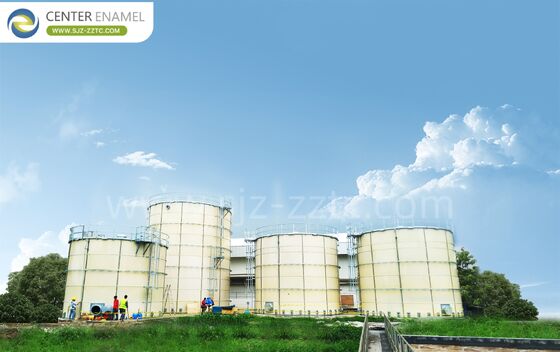
Tangki GFS Center Enamel menyediakan tulang punggung struktural untuk fasilitas biogas kami.ikatan anorganik yang menawarkan ketahanan korosi dan daya tahan yang lebih baik dibandingkan dengan tangki baja tradisional. Kami mengintegrasikan unit ini dengan sistem Double Membrane Roof milik kami. Kombinasi ini adalah solusi yang disukai untuk biaya dan optimalisasi ruang.pemegang gas fleksibel, secara signifikan mengurangi jejak fisik proyek dan menghemat biaya konstruksi yang biasanya terkait dengan struktur penyimpanan gas yang terpisah dan dipasang di tanah.
- Tangki Baja Galvanis:Dengan menggunakan proses galvanisasi khusus, tangki-tangki ini menyediakan lapisan pelindung yang tangguh, tahan aus, dan tahan lama untuk berbagai aplikasi.
- Tangki Epoxy Fusion Bonded (FBE):Dikembangkan dalam kemitraan dengan pemimpin industri global, tangki FBE kami menawarkan teknologi pelapis inovatif yang memberikan ketahanan kimia yang luar biasa.
- Tangki baja tahan karat:Kami menyediakan tangki baja tahan karat AISI 304/316 berkualitas tinggi, dirancang untuk memenuhi persyaratan yang paling ketat untuk penyimpanan kemurnian tinggi dan daya tahan lingkungan yang keras.
- Pemegang Gas & Membran Hitam:Solusi terintegrasi yang tahan lama untuk penyimpanan biogas yang aman dan terukur.
- Separator padat-cairan:Unit penting untuk pra-pengolahan limbah dapur mentah untuk memastikan kualitas feed reaktor yang konsisten.
- Sistem obor:Memastikan pembakaran gas berlebih yang aman dan terkontrol, menjaga keamanan lingkungan.
- Pompa Angkat:Pompa kelas industri, daya tahan tinggi yang dirancang khusus untuk menangani viskositas tinggi dari limbah makanan bubur.
- Tangki Dehidrasi dan Desulfurisasi:Unit penting untuk memperbaiki kualitas biogas dengan menghilangkan belerang dan kelembaban.
- Mesin Pengering Limbah Sekrup:Solusi efisiensi tinggi yang mengoptimalkan volume residu pasca pencernaan.
- Layanan EPC:Sebagai kontraktor EPC profesional, kami mengelola seluruh siklus hidup proyek mulai dari rekayasa awal dan pengadaan hingga konstruksi akhir dan persiyapan memastikan kualitas dan pengiriman tepat waktu.
- Paket Proses:Kami menyediakan desain proses biokimia yang disesuaikan, memastikan sistem kami dikalibrasi dengan sempurna untuk bahan baku limbah organik spesifik proyek Anda.
- Pasokan peralatan:Sebagai produsen langsung, kami menyediakan peralatan inti berkualitas tinggi, memastikan kompatibilitas sistem yang sempurna, keandalan, dan kinerja yang tak tertandingi selama seluruh umur proyek.
Mengadopsi solusi biogas modern, yang menampilkan tangki GFS dan proses CSTR, adalah langkah penting bagi Nigeria untuk memodernisasi pengelolaan limbahnya.Center Enamel menyediakan layanan kontraktor EPC profesional, peralatan yang kuat, dan keahlian teknis yang dibutuhkan untuk mengubah limbah dapur menjadi sumber energi terbarukan bernilai tinggi.Proyek kotamadya dan industri Nigeria dapat mencapai hasil keberlanjutan yang unggul, mengurangi polusi lingkungan, dan berpartisipasi secara aktif dalam perekonomian sirkular, memastikan masa depan yang lebih bersih, lebih efisien, dan energi yang aman bagi bangsa.
-
Bagaimana sistem pergaulan mekanik CSTR menangani perubahan tiba-tiba dalam volume limbah?
Sistem ini dirancang untuk fleksibilitas operasional; pengendalian pencocokan dan pakan otomatis memungkinkan reaktor menyesuaikan diri dengan beban variabel tanpa mengorbankan kesehatan mikroba atau hasil gas.
-
Apakah tangki GFS tahan terhadap suhu tinggi dan kondisi lembab yang ditemukan di beberapa bagian Nigeria?
Ya, proses fusi suhu tinggi menciptakan penghalang kaca tahan lama dan inert yang tahan terhadap kelembaban, oksidasi, dan fluktuasi suhu yang ekstrem, memastikan layanan selama puluhan tahun.
-
Apakah Center Enamel menyediakan manajemen proyek untuk perluasan fasilitas?
Ya, sebagai kontraktor EPC berpengalaman, kami mengkhususkan diri dalam skala fasilitas yang ada, memungkinkan klien kami untuk memperluas kapasitas mereka sebagai kebutuhan pengelolaan limbah mereka tumbuh.